 OUR PROVEN SNAILS WILL LICK YOUR ALGAE PROBLEM CLEAN! FAST!
Beneficial Snails Shipped Quick to Your Door! Just scroll to the bottom of this page to purchase all of the snails we offer for sale!
Algae Eating Nerite Snail Care Info
This is our collection of farm-raised snails grown, named and pioneered exclusively by Arizona Aquatic Gardens! These are the Best Algae Eating Snails you will ever Own, period. Arizona Aquatic Gardens introduced the Olive Nerite Snail to the freshwater aquarium hobby in 1992! Patent pending.
QUICK NERITE SNAIL FACTS:
THEY WILL NOT REPRODUCE IN FRESHWATER
THEY WILL NOT EAT YOUR PLANTS
THESE SNAILS WILL CHANGE YOUR LIFE AND HOW YOU CARE FOR YOUR TANK
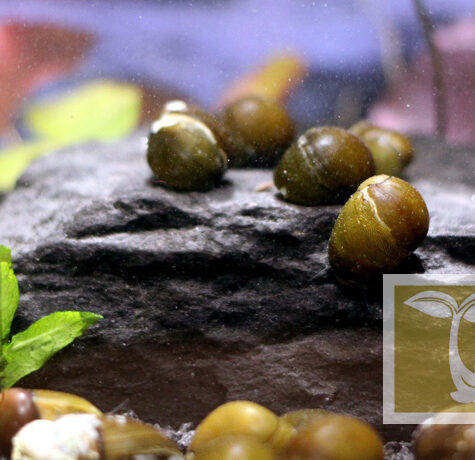
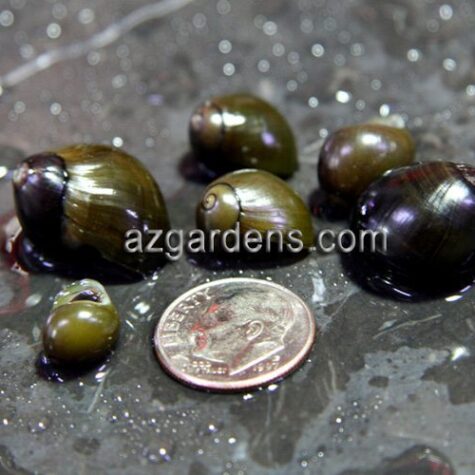
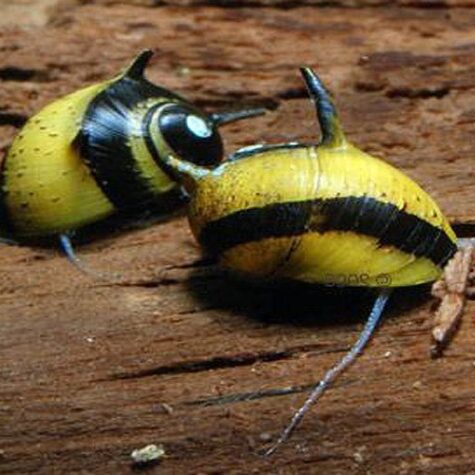
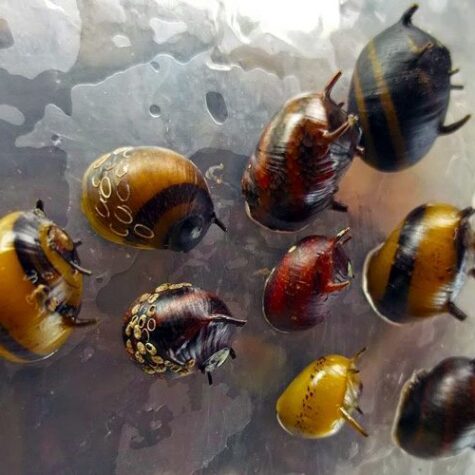
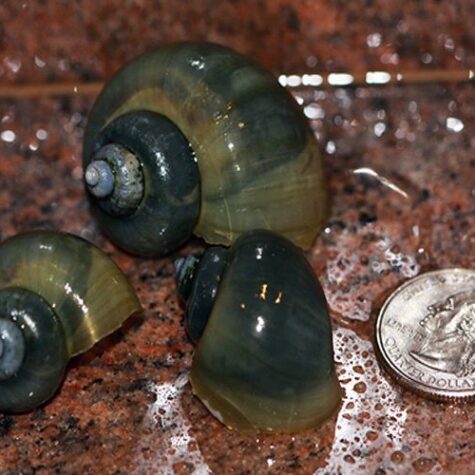
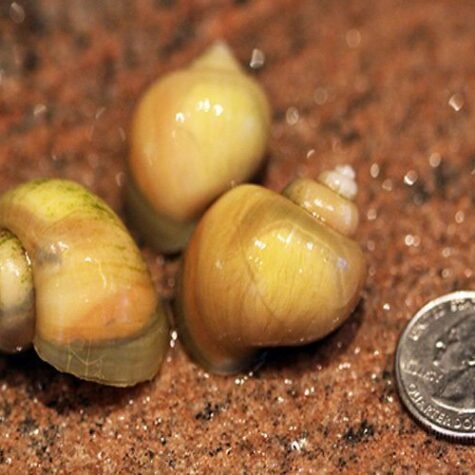
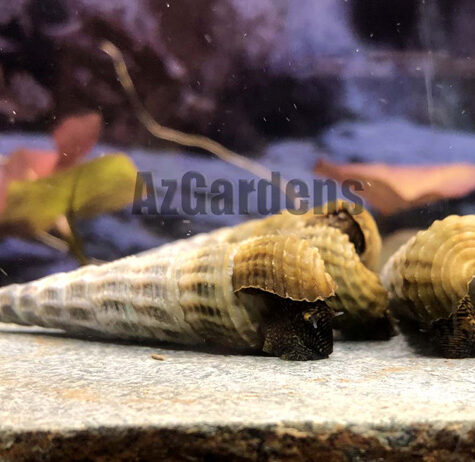
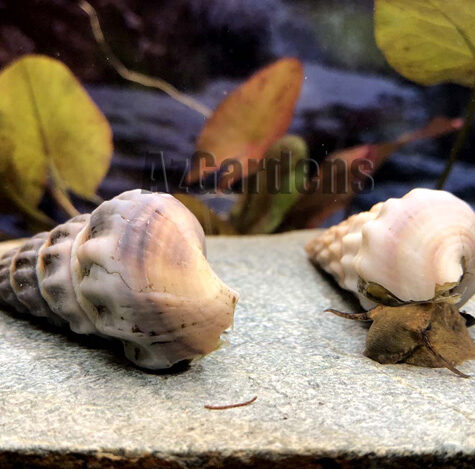
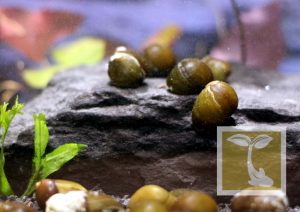
Most Olive Nerites only grow to about the size of a dime or smaller, older Olive Nerites will get larger with age and condition of growing environment. Older nerites may develop little barnacles on their shells when collected from the wild. When nerites are commercially reproduced they will not grow barnacles. The largest specimens of the Nerita reclivata species of algae eating snail are less than an inch across. Olive nerite snails are probably about the best algae eating snail for aquariums in the world as they DO NOT reproduce in freshwater but only in brackish or saltwater. We ship these snails already acclimated to freshwater, so you don’t need to worry about a new acclimation process unless you want them BACK in Saltwater. DO NOT use R/O Water with any nerite snail or they may perish. They may lay “pretzel- salt-looking” eggs, but they won’t hatch unless the eggs are laid in at least “brackish water” at an optimum temp. Olive Nerites are great for keeping GLASS & PLANT LEAVES clean! NO, they won’t eat your plants either. What else could you want in a snail? Maybe if it cleaned your house too?
REPRODUCTION:
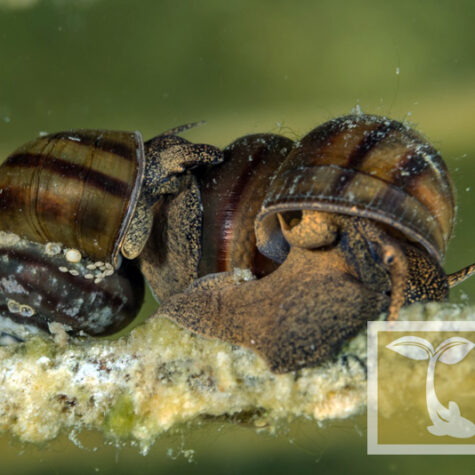
Most aquarists have not had much luck breeding these Nerites. Many species simply do not lay eggs under typical aquarium conditions, and on the few occasions where it has been reported of egg laying, only rarely have baby snails been produced. Nerites cannot reproduce without mating first, unlike the Malaysian livebearing snail. In the wild, this species is found primarily in coastal marine habitats, in fresh, brackish, and saltwater conditions. This snail will prosper in hard, alkaline freshwater for long periods, perhaps indefinitely. In brackish conditions, this is perhaps the ideal snail for low to moderate salinity at (SG 1.003 and upwards) success is altogether more secure. Nerite Snails are usually shipped as a small size and used for algae eating. They will delicately pick algae off of your plants and glass. Nerite Snails are used in aquariums of all sizes and do not normally die in transit, not in Summer, not in Winter! We have shipped these animals all around the globe without any losses. If you try to claim a loss for nerites or any snail herein, it will not likely be honored. We could ship these animals to Timbuktu, lose them in transit for 2 months, and when they came back to us, they’d still be alive. Once placed in your aquarium, they may take a week or so to start moving, but as long as your aquarium water is up to par and without ammonia, all Nerites will thrive! We can’t stress this point enough to our customers. When you get your snails in, add them to the front of your aquarium so you can monitor them closely. They will be most active at night, NOT during the day or when your tank’s lights are on. Nerites are A NATURAL ALARM! If you’re walking past your tank during the day and see them clustered up at the top of the water’s surface, you more than likely have a serious water quality issue that requires immediate attention, i.e. a pump or filter may have failed.
CHOOSING THE RIGHT NERITE SNAILS FOR THE JOB:
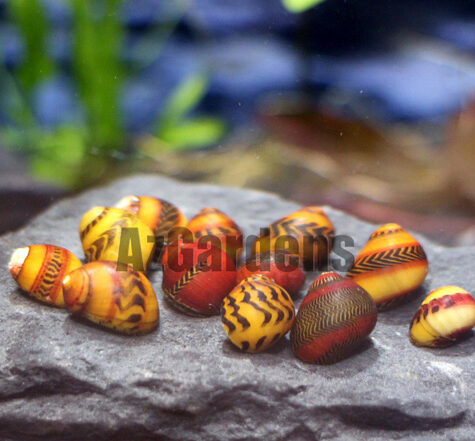
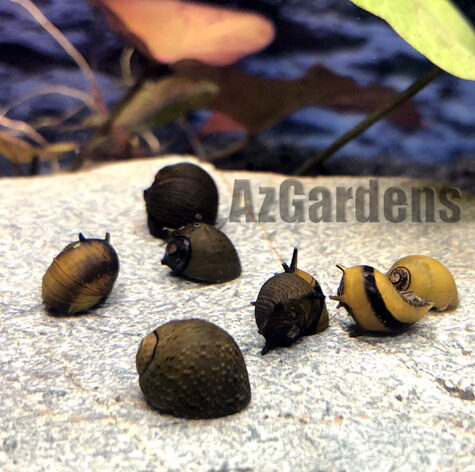
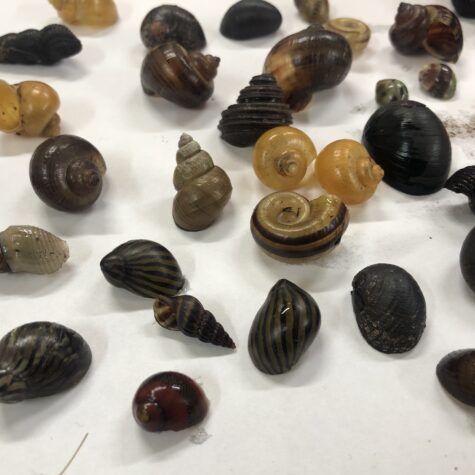
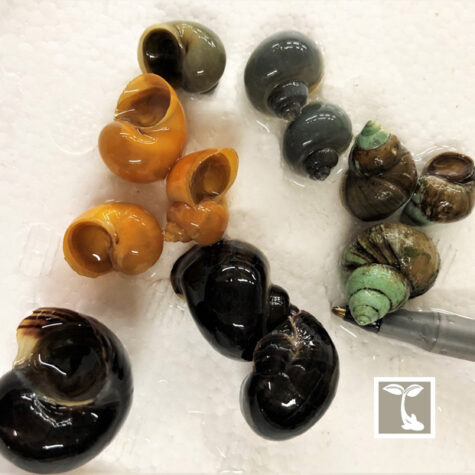
ALL nerites are wonderful snails to own in just about every single type of aquarium setup. They can all adapt to many different water parameters. The only differences are that some Nerites are more colorful, more expensive, some are spiny, and of course the sizes are the biggest differences. It is also thought that Spiny Nerites are the best for cichlid tanks due to the natural spines that occur on the shells to help protect them from predators, but the truth is that most cichlids will give up on pestering all nerite species because nerites are just too tough to get to the meat because they are a true “trapdoor snail” and they can button themselves up very tight. Below is a list of typical sizes to help you figure out which Nerites will be the best choices for your aquarium. Hope this helps you out.
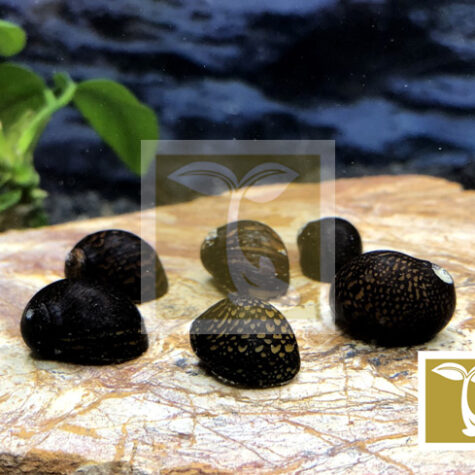
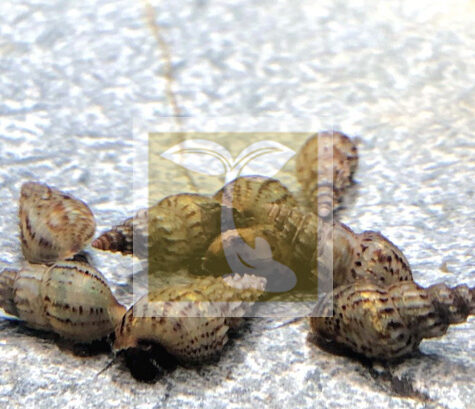
Olive Nerites:
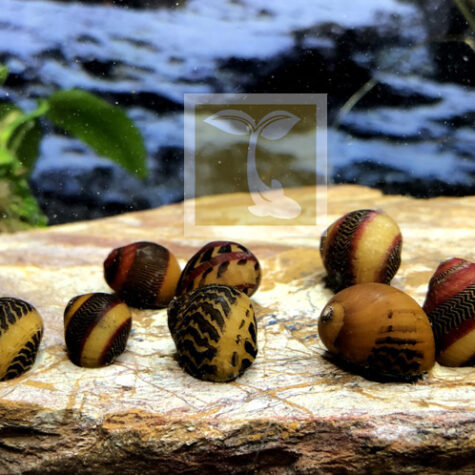
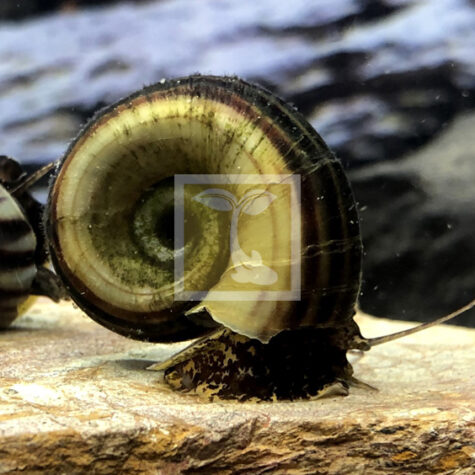
The cheapest, but maybe the best algae eater snail offered within the choices here and certainly the most popular! Simple, no frills, or fancy colors, plain looking about the size of a dime to a penny. Not typically out during the day at all, they do most glass work during the night and eat waste in the gravel, rocks or under wood during the day. If they are at the top of your water line during the day, this should alarm aquarists that there may be something seriously wrong with your water quality or lack of oxygen in your tank, perhaps your filter has failed! What else could you possibly want in a snail. If they were only prettier! Use 1 per gallon if you want your tank spotless. Try a few in your pet’s water dish, or stock ’em up in your livestock water trough. These are amazing little critters!
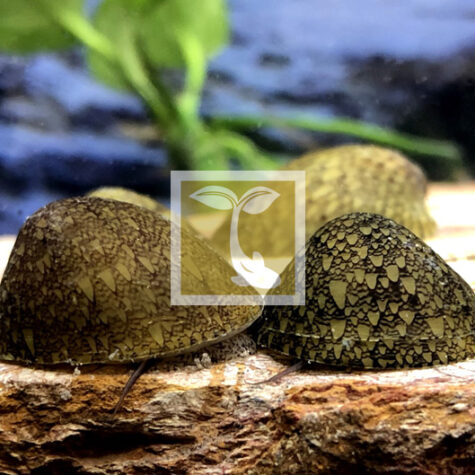
Spiny Nerites:
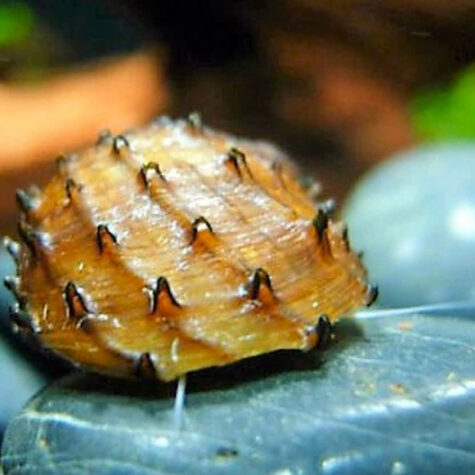
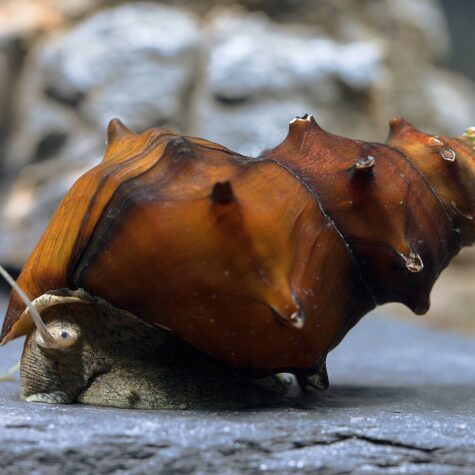
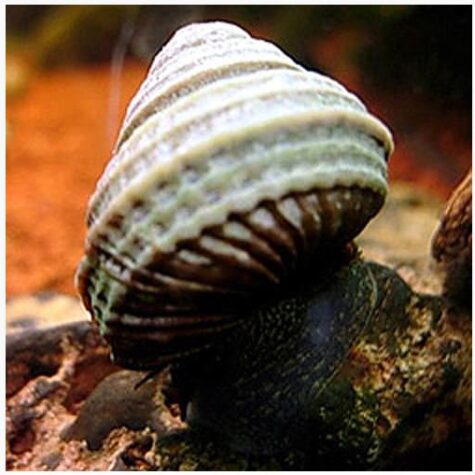
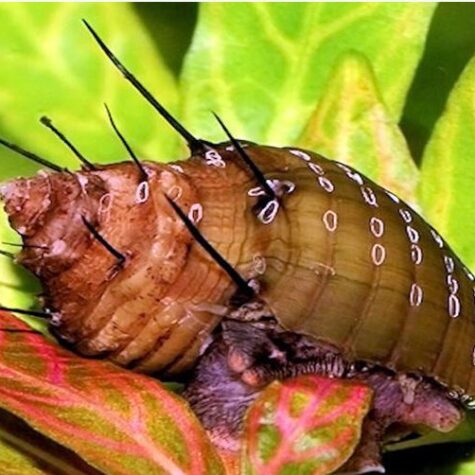
A tad more money, but ideal for small aquariums as these are a much smaller snail, rarely larger than a dime size, typically pea-sized when shipped. A nice add-on snail for those of you wanting to marvel at how cool they look, but we’d suggest still getting the Olive Nerites as your primary snail and use these to mix things up and keep your tank interesting.
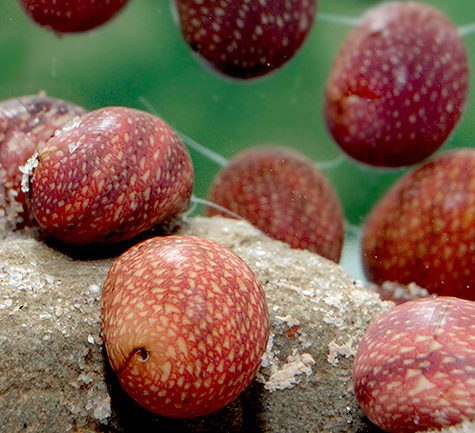
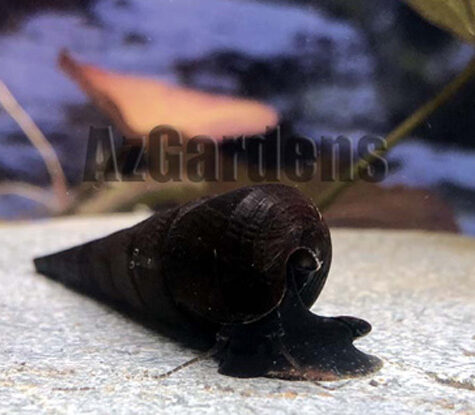
Tiger Nerites:
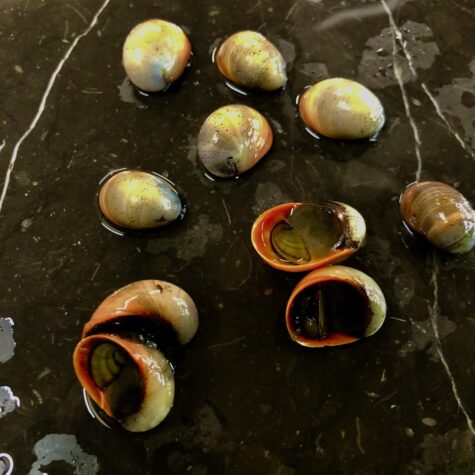
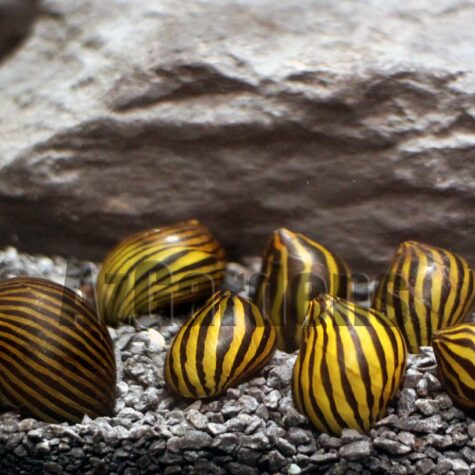
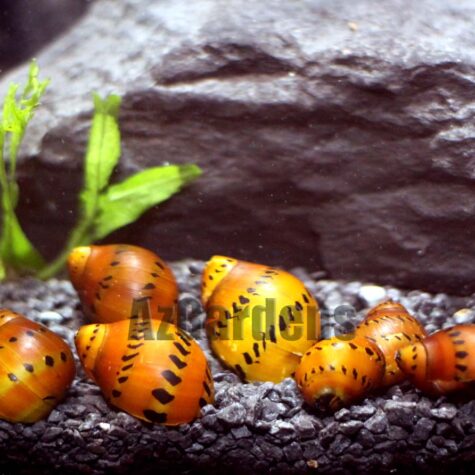
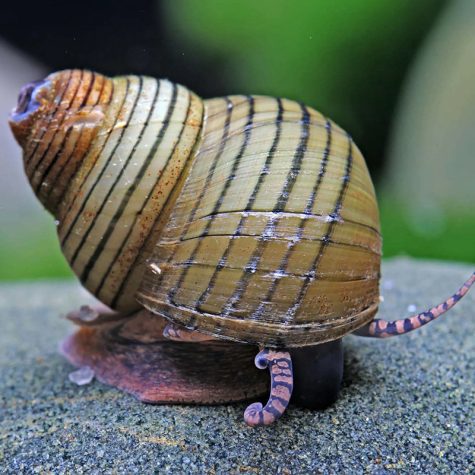
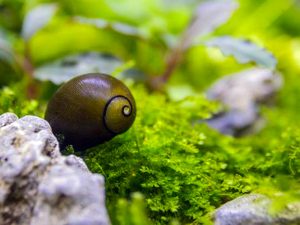
These are your largest and usually the most expensive Nerites and shipped about nickel size and will grow to quarter size or more. Good algae eaters, but tend to work on one spot for a longer period of time, kind of like your slower “semi retired janitor” but with magnificent coloration. Can be seen almost all the time in your tank, rarely burrows, and prefers to park themselves at the water line and NOT an indication of troubled water quality issues like other nerites. Again, these are another good compliment to the Olive nerites.
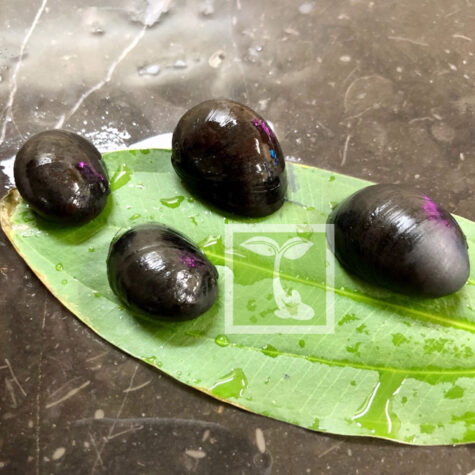
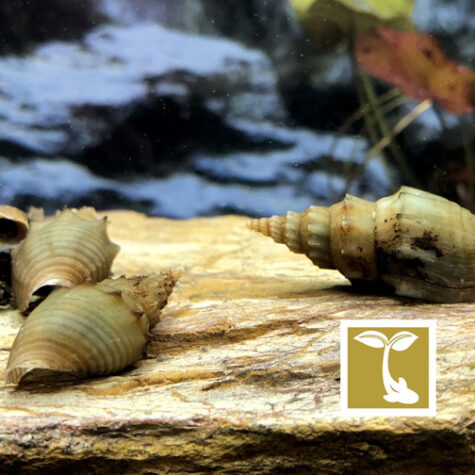
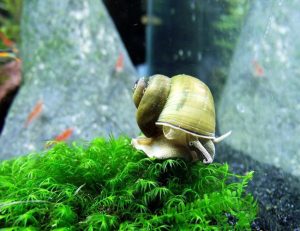 Bush Grazer Snails:
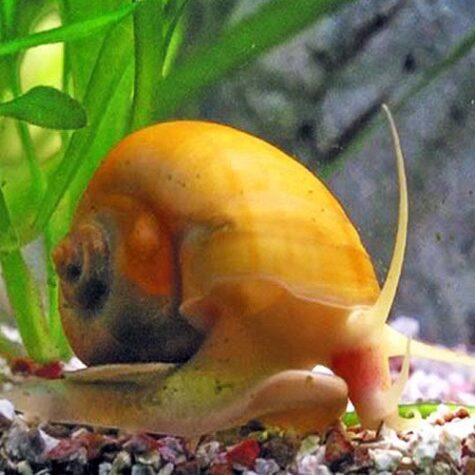
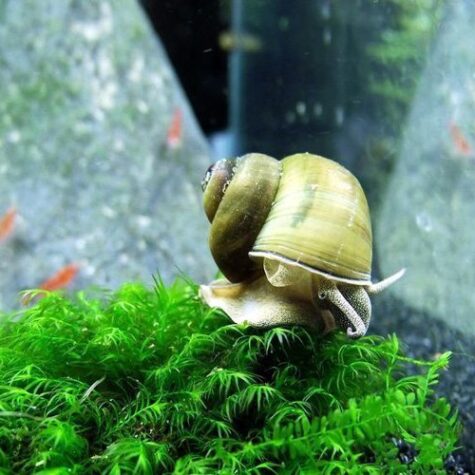
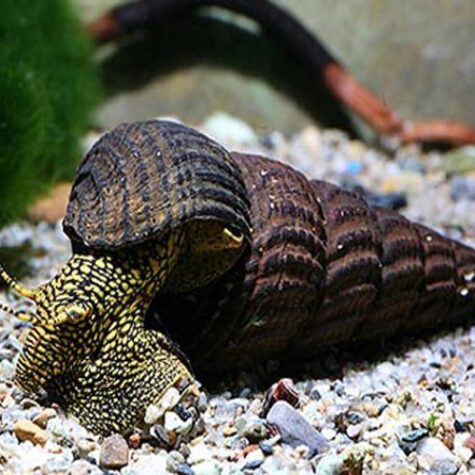
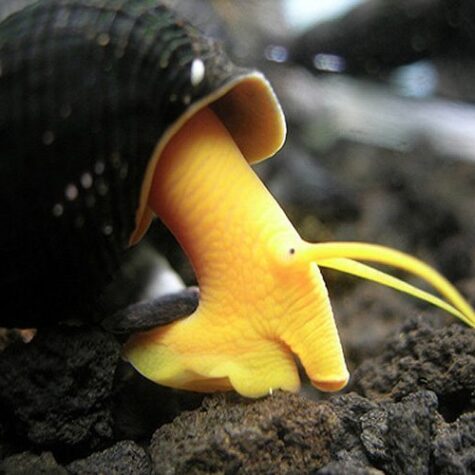
Our Bush Grazer Snails are used for controlling large algae outbreaks mainly in ponds or large pools, and not used in a planted aquariums. Great for tanks with testosterone fish, i.e. Cichlids or where other larger fish might be kept in systems without plants. Grazer snails will keep glass & rocks clean, they eat dead animals, waste, and detritus. These snails WILL reproduce by laying a pink cocoon-like sack at the water’s rim that will hatch. Bush Grazers ship at least the size of a quarter to half-dollar size and may grow as large as a golf ball or larger in a couple years.
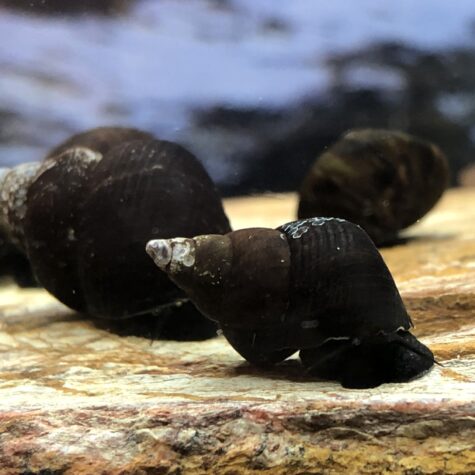
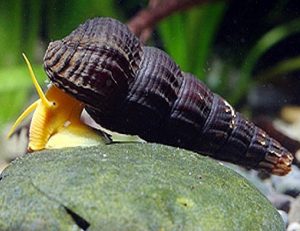 Substrate Burrowers
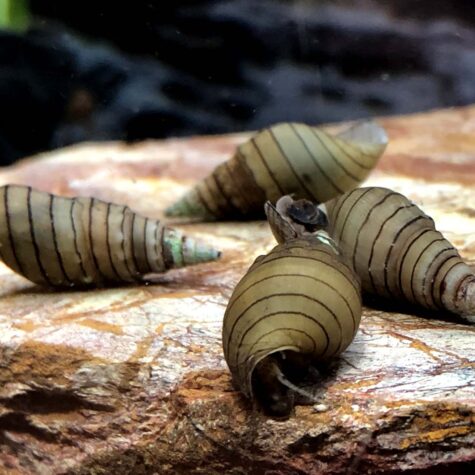
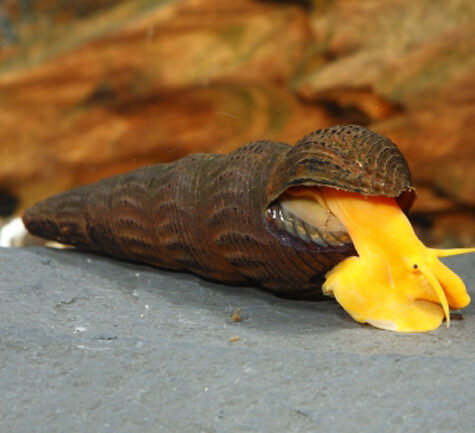
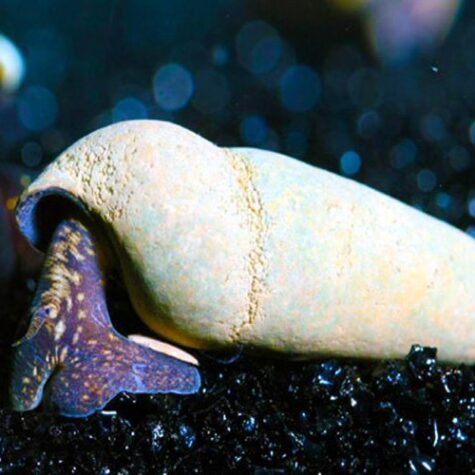
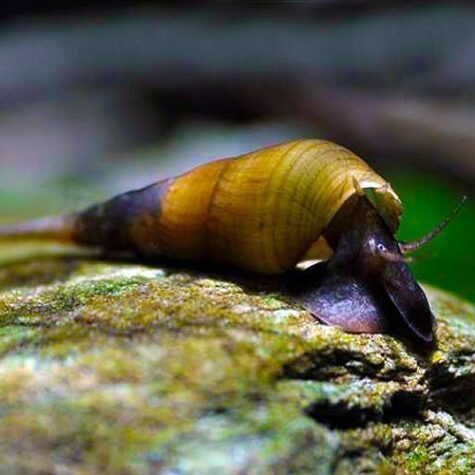
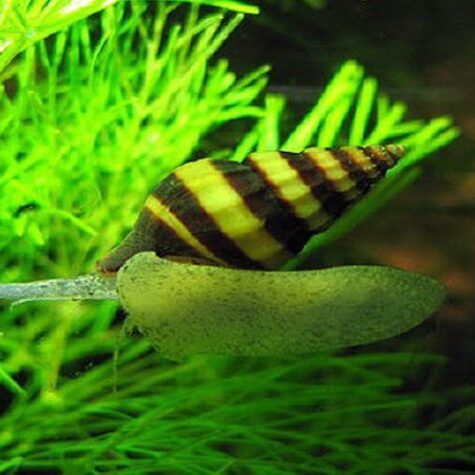
Substrate Burrowing Snails are filter feeder animals! These include Clams as well! Burrowing Snails won’t usually eat plants unless there is just nothing else to eat in the tank and of course, clams only feed off floating debris and cannot actually eat plants anyway. They will not dig up plants in your substrate, and they’ll help keep your soil aerated, kinda like havin’ an earthworm in your garden except in your aquarium……These are really beneficial for any aquarium. If the shell is closed on a clam they are alive! If the shell is wide open, they’ve gone to crustacean heaven. Substrate Burrowing Snails are a live bearing snail, and not egg layers. Most usually have both sexes onboard.